What are the Pillars of Atua Matua?
There are five pillars of the Atua Matua framework
Environmental Knowledge - Matauranga Maori
Localised environmental Connections - Whakapapa
Communicating Environmental Knowledge - Huahuatau
Activities to Mobilise Atua Matua thinking - Whakatinanatanga
Environmental Signs as a decision making function - Tohutaka

Environmental Knowledge: Mātauranga Māori
Within the Atua Matua Framework—developed by indigenous health and environmental strategist Dr. Ihirangi Heke—Mātauranga Māori serves as the foundational pillar. This framework shifts the paradigm of environmental interaction by prioritizing ancestral knowledge over modern, deficit-based models. In this context, Mātauranga Māori represents the vital philosophical and methodological framework required to read, understand, and safely navigate diverse ecosystems, including oceans, rivers, forests, and alpine environments.
Localized Environmental Connections: Whakapapa
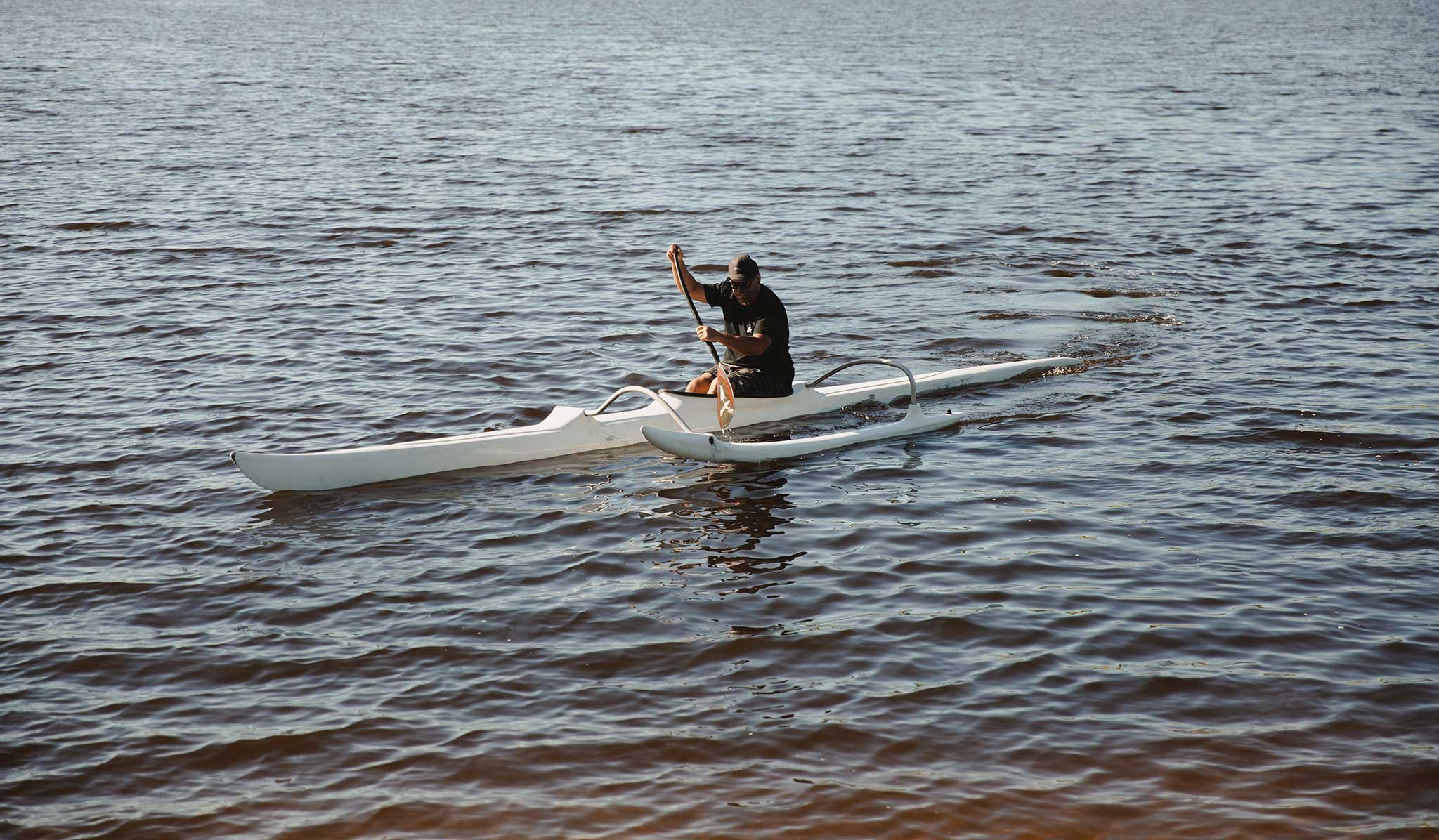
Whakapapa establishes the foundational connections between people and their specific environments, shaping how they interact with the natural world. Because distinct geographical landscapes possess unique ecological features, human adaptation must be equally localized. For example, navigating a waka (outrigger canoe) requires different techniques in waitai (saltwater) compared to waimāori (freshwater). Consequently, physical practices and environmental responses are inherently district-specific—shaped by a localized way of connecting. Succinctly, we are defined by the environments from which we descend.

Communicating Environmental Knowledge: Huahuatau
Huahuatau represents the process of actively learning from the natural environment, moving beyond recreational interaction toward a deeper, reciprocal relationship. For example, engaging with the ocean through surfing transcends leisure; it serves as a pedagogical space that instills critical life skills. Navigating these natural forces develops capacity in high-pressure decision-making, time management, respect, and humility. Ultimately, this pillar emphasizes environmental literacy—the fundamental understanding that the natural world is an active teacher capable of guiding human behavior.

Activities to Mobilize Thinking: Whakatinanatanga
Whakatinanatanga asserts that physical movement and its subsequent health benefits should occur organically as a by-product of environmental exploration and knowledge-gathering. Traditional, deficit-based health initiatives often fail because lifestyle changes, nutrition, and fitness goals are rarely sustainable when treated as the sole rationale for participation. Conversely, shifting the focus toward the pursuit of localized ancestral knowledge—the very history that forms the basis of a family's existence—creates a profound sense of purpose. This culturally anchored motivation is powerful enough to inspire sustained engagement from even the most reluctant participants.

Environmental Signs as a Decision-Making Function: Tohutaka
Tohutaka posits that developing environmental literacy enables individuals to monitor ecological indicators and make predictive decisions affecting daily life. Attuning to subtle shifts in weather patterns and the behaviors of avifauna, flora, insects, and marine life provides critical data on when to act. Utilizing the Atua Matua framework allows practitioners to redefine the perception of environmental risk, grounding modern decision-making in predictive systems refined over thousands of years of ancestral observation.